

The Rise of Renewable Energy Innovations
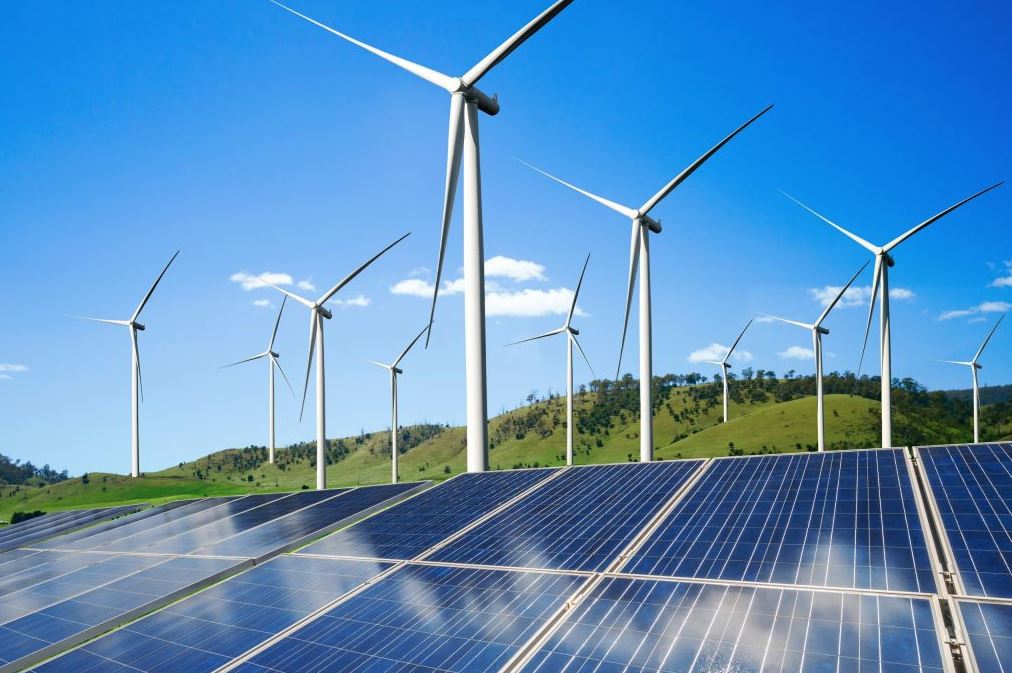
The Scientific Breakthroughs That Are Redefining Clean Energy and Global Sustainability
The Evolution of Renewable Energy
The journey of renewable energy began as a response to humanity’s dependence on fossil fuels, which provided power for over a century but at a devastating environmental cost. The Industrial Revolution accelerated the use of coal, oil, and natural gas, leading to rapid technological growth but also contributing to pollution and climate instability. As scientific awareness grew regarding carbon emissions and their role in global warming, researchers began seeking alternatives that could deliver the same level of energy without the same destructive consequences. This search led to the rise of renewable energy sources, including solar, wind, hydroelectric, geothermal, and bioenergy systems, all of which draw power from natural processes that are constantly replenished.
Over the last three decades, renewable energy has shifted from an experimental concept into a global necessity. Advances in materials science, data analytics, and engineering have made it possible to capture, store, and distribute clean energy more efficiently than ever before. The cost of renewable technologies, particularly solar panels and wind turbines, has fallen dramatically, making them competitive with traditional power generation. Governments and industries around the world have begun integrating these systems into national power grids, transforming the way societies generate and consume electricity. The evolution of renewable energy represents not only a technological revolution but also a cultural shift toward sustainability, resilience, and responsibility.
Breakthroughs in Solar Power Technology
Solar energy remains one of the most promising renewable technologies because it taps directly into the most abundant energy source available, the sun. Early solar panels, while revolutionary in principle, suffered from low efficiency and high production costs. Modern advancements have changed this landscape completely. Researchers have developed photovoltaic materials that convert sunlight into electricity at much higher rates, with laboratory tests surpassing 40 percent efficiency under concentrated light. Innovations such as perovskite solar cells have opened the door to flexible, lightweight, and highly efficient panels that can be printed or integrated into everyday materials like glass and textiles.
Beyond the cells themselves, energy storage has been a key challenge for solar technology. Scientists have created hybrid systems that combine photovoltaic panels with battery storage, allowing electricity to be stored for use during nighttime or cloudy conditions. Advanced lithium-ion, solid-state, and flow batteries have made it possible to stabilize solar power delivery even when sunlight is inconsistent. In addition, artificial intelligence is now being used to predict energy production patterns, optimize grid connections, and reduce waste. The result is a smarter, more adaptive solar network capable of supporting entire cities with minimal environmental impact. As solar farms expand across deserts, rooftops, and even floating platforms on lakes, the world moves closer to a future powered by sunlight alone.
Wind Energy and the Power of Atmospheric Design
Wind energy has long been recognized for its potential to produce vast amounts of clean electricity. Traditional wind turbines convert kinetic energy from the air into electrical power, but modern innovations are transforming both the scale and efficiency of wind systems. Engineers have designed offshore wind farms that harness stronger and more consistent oceanic winds, producing electricity at record levels. These massive installations feature turbines that can stand taller than skyscrapers, each capable of powering thousands of homes. The blades are now constructed with advanced composite materials that are both lightweight and durable, increasing performance while reducing maintenance costs.
Another fascinating development is the emergence of bladeless wind technology. Instead of spinning blades, these systems use vibrations caused by air movement to generate power. They are quieter, safer for wildlife, and suitable for urban environments where traditional turbines are impractical. Small-scale microturbines are also being integrated into buildings and streetlights, capturing ambient wind to provide localized energy. Scientists are even exploring airborne wind systems that use tethered kites or drones to generate electricity at high altitudes where wind speeds are stronger. The versatility of wind energy, combined with creative engineering, is redefining how humanity captures and uses one of Earth’s most abundant natural forces.
Revolution in Energy Storage and Grid Integration
One of the greatest challenges in renewable energy is maintaining a consistent and reliable supply of power. Unlike fossil fuels, which can be burned on demand, renewable sources are intermittent. The wind does not always blow, and the sun does not always shine. To address this problem, scientists have turned to energy storage and smart grid technologies. Modern battery systems can store surplus electricity and release it when demand rises or production dips. The development of large-scale battery farms has enabled entire regions to stabilize their renewable power output, preventing blackouts and reducing dependence on backup generators.
Beyond batteries, other storage methods are being explored. Pumped hydro storage uses gravity to move water between reservoirs, storing energy as potential motion. Compressed air systems store power by pressurizing air in underground caverns, which can later be released to drive turbines. Thermal storage converts excess electricity into heat, which can be retained for long periods and later reconverted into power. The integration of these systems with digital management tools and artificial intelligence has created a new type of power grid that can adapt in real time. This intelligent infrastructure balances supply and demand automatically, ensuring that renewable energy flows smoothly and efficiently across cities and nations.
The Role of Bioenergy and Hydrogen in a Green Future
While solar and wind dominate headlines, bioenergy and hydrogen are emerging as key players in the renewable revolution. Bioenergy harnesses power from organic materials such as agricultural waste, algae, and wood by converting them into biofuels like ethanol and biodiesel. These fuels can replace gasoline and diesel in vehicles, reducing emissions without requiring new infrastructure. Algae-based fuels, in particular, have drawn attention for their high energy yield and ability to absorb carbon dioxide during production, making them carbon-neutral or even carbon-negative in certain applications.
Hydrogen energy, on the other hand, represents a versatile and clean fuel with the potential to decarbonize industries that are difficult to electrify. When produced through electrolysis using renewable electricity, hydrogen can serve as a clean energy carrier. It can power vehicles, store electricity, or supply energy to heavy industries like steel and cement manufacturing. Hydrogen fuel cells produce electricity through a chemical reaction with oxygen, emitting only water vapor as a byproduct. Global efforts to create a hydrogen economy are underway, with research focusing on improving efficiency and reducing production costs. Together, bioenergy and hydrogen provide renewable solutions for transportation, manufacturing, and energy storage that complement other clean technologies.
Artificial Intelligence and Data in Energy Management
The integration of artificial intelligence and big data analytics is revolutionizing how renewable energy systems are managed. AI algorithms can forecast weather patterns, optimize energy distribution, and detect maintenance needs before problems occur. In solar farms, AI predicts sunlight intensity to adjust panel orientation for maximum efficiency. In wind farms, machine learning models analyze turbine performance to minimize downtime and improve power output. These intelligent systems not only increase productivity but also reduce costs and extend equipment lifespan, making renewable energy more viable on a large scale.
Furthermore, smart meters and connected grids enable real-time communication between producers and consumers, allowing for dynamic energy pricing and efficient distribution. Homeowners can monitor their energy usage through digital dashboards, while electric vehicles can charge during off-peak hours when renewable energy is most abundant. The result is a more flexible and responsive energy ecosystem that minimizes waste and maximizes efficiency. As artificial intelligence continues to advance, the future of renewable energy will become increasingly autonomous, adaptive, and integrated into the fabric of modern life.
The Path Toward a Sustainable Global Energy System
The transition to renewable energy is not simply a matter of technology but also one of global collaboration and collective vision. Innovation has made clean energy affordable and efficient, but true sustainability requires political commitment, economic investment, and social awareness. Developing nations must have access to renewable technologies to ensure an equitable transition, while industrialized countries must continue to reduce emissions and invest in clean infrastructure. Education and research will play critical roles in training the next generation of scientists and engineers who will carry this mission forward.
Renewable energy innovations are more than just scientific achievements; they represent humanity’s capacity for adaptation and creativity in the face of crisis. From solar nanomaterials to artificial intelligence-powered grids, every discovery brings us closer to a cleaner and more resilient planet. The world is on the verge of an energy transformation that will redefine economies, reshape industries, and safeguard ecosystems. The challenge ahead is to continue pushing boundaries, not only to develop new technologies but to use them wisely and justly. The promise of renewable energy is the promise of a future where progress and preservation coexist, ensuring that the power of tomorrow is clean, sustainable, and shared by all.