

Nanotechnology in Modern Medicine
Tiny Innovations Are Transforming Diagnosis, Treatment, and the Future of Healthcare
The Birth of Nanomedicine
The concept of nanotechnology in medicine emerged from the idea of manipulating matter at the atomic and molecular scale to influence biological systems. The term nanotechnology refers to the design and application of structures, devices, and systems that operate within the range of one to one hundred nanometers. To put this into perspective, a nanometer is one-billionth of a meter, smaller than a strand of DNA. Within this invisible realm, scientists have discovered that materials behave differently, displaying unique chemical, physical, and electrical properties that can be harnessed for medical use. The ability to engineer materials at this scale has opened a completely new dimension in healthcare.
The roots of nanomedicine can be traced back to visionary ideas proposed in the mid-twentieth century, when scientists began to imagine machines so small that they could enter the human body to repair tissues or destroy pathogens. Though initially a science fiction concept, rapid progress in chemistry, physics, and biotechnology turned this imagination into a field of applied science. Over the last two decades, advances in nanoscale materials, imaging, and targeted delivery systems have redefined what is possible in diagnostics, drug development, and treatment precision. Nanomedicine has now evolved from a theoretical pursuit into a clinical reality, influencing everything from cancer therapy to regenerative medicine.
Nanoparticles and Targeted Drug Delivery
One of the most transformative applications of nanotechnology in medicine is targeted drug delivery. Traditional medications often affect both healthy and diseased cells, causing unnecessary side effects. Nanoparticles have changed this dynamic by allowing drugs to be delivered directly to specific cells or tissues. These particles can be engineered to recognize molecular markers unique to diseased cells, ensuring that therapeutic compounds are released precisely where they are needed. This level of control increases treatment effectiveness while minimizing damage to healthy tissues.
Researchers have developed a wide variety of nanoparticles, including liposomes, dendrimers, and polymeric nanocarriers. Each type has distinct properties that make it suitable for specific tasks. Liposomes, for example, are lipid-based spheres that can encapsulate both water-soluble and fat-soluble drugs, protecting them until they reach their target. Metallic nanoparticles, such as gold and silver, are used for photothermal therapies, where they absorb light and generate heat to destroy cancer cells. In addition, nanoscale drug carriers can be designed to respond to environmental triggers, such as pH or temperature, allowing for controlled drug release inside the body. This precision is transforming treatments for chronic diseases like cancer, diabetes, and cardiovascular disorders.
Nanotechnology in Medical Imaging and Diagnostics
Accurate diagnosis is the cornerstone of effective medicine, and nanotechnology is revolutionizing how diseases are detected and monitored. Traditional imaging techniques such as MRI, CT scans, and ultrasounds provide valuable insights but are limited in their ability to detect early-stage disease. Nanotechnology enhances these methods by increasing resolution and enabling the visualization of biological processes at the molecular level. For example, magnetic nanoparticles are being used as contrast agents in MRI scans, providing sharper images and allowing doctors to detect tumors or abnormalities much earlier than before.
Beyond imaging, nanosensors are being developed for real-time monitoring of biochemical changes within the body. These tiny devices can detect biomarkers in blood, saliva, or even breath samples, providing instant feedback about a patient’s health status. In cancer diagnostics, nanoscale biosensors can identify minute traces of tumor DNA or proteins long before symptoms appear. Portable nanodiagnostic devices are also emerging, allowing rapid testing outside traditional laboratories. This integration of nanotechnology with digital health systems is paving the way for personalized medicine, where continuous data collection and analysis enable tailored treatment plans based on individual biology.
Nanotechnology and Cancer Treatment
Cancer remains one of the most complex diseases in medicine, but nanotechnology has introduced new strategies that are reshaping oncology. Conventional chemotherapy, while powerful, often harms healthy cells, leading to severe side effects. Nanomedicine offers a way to deliver anticancer drugs directly to tumor sites, sparing normal tissues and enhancing therapeutic results. Nanoparticles can be functionalized with molecules that recognize tumor-specific receptors, allowing them to navigate the bloodstream and penetrate cancerous tissues with remarkable accuracy.
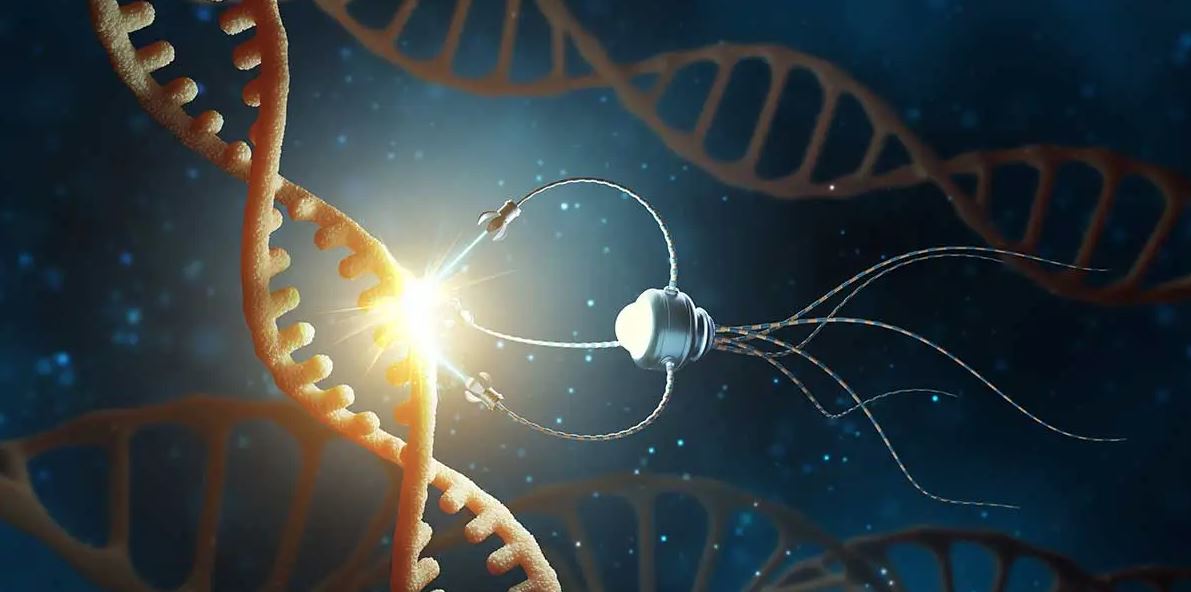
In addition to drug delivery, nanotechnology is being applied to other cancer therapies. Gold nanoparticles, for instance, are used in photothermal therapy, where they accumulate in tumors and are then heated with laser light to destroy cancer cells from within. Carbon nanotubes and quantum dots are being explored for their ability to transport drugs or act as diagnostic markers. Researchers are also developing smart nanorobots capable of circulating through the body, detecting cancer cells, and releasing targeted treatments. These systems promise to make cancer therapy more effective, less invasive, and personalized for each patient’s condition.
Regenerative Medicine and Tissue Engineering
Beyond treating disease, nanotechnology is helping the human body rebuild itself. Regenerative medicine aims to repair or replace damaged tissues and organs, and nanomaterials are essential to this effort. At the cellular level, nanoscale scaffolds can mimic the natural structure of the extracellular matrix, providing an environment that supports cell growth and tissue formation. By designing materials with nanosized pores and fibers, scientists can guide stem cells to develop into specific tissue types, such as bone, skin, or nerve tissue. This approach is already being used in wound healing and orthopedic implants, where nanostructured coatings improve cell adhesion and integration.
Nanotechnology also enhances the performance of medical implants and prosthetics. Nanocoatings on implants reduce the risk of infection and improve compatibility with the body. In cardiovascular medicine, nanomaterials are used to create artificial blood vessels that mimic the elasticity and strength of natural ones. Researchers are even exploring the use of nanofibers for neural regeneration, offering hope for patients with spinal cord injuries or neurodegenerative diseases. As the field advances, nanotechnology could enable the creation of fully functional artificial organs, built from the nanoscale up, transforming transplantation and regenerative healthcare forever.
Nanotechnology and the Fight Against Infectious Diseases
The COVID-19 pandemic underscored the importance of rapid response technologies, and nanotechnology played a pivotal role in that effort. Messenger RNA vaccines, such as those developed by Pfizer-BioNTech and Moderna, rely on lipid nanoparticles to protect and deliver genetic material into cells. This technology demonstrated how nanoscale delivery systems can accelerate vaccine development and improve efficacy. Beyond vaccines, nanomaterials are being designed to combat infectious diseases through antiviral coatings, antimicrobial surfaces, and nanoscale drug carriers that target bacteria or viruses directly.
In diagnostics, nanoparticle-based assays are making it possible to detect infections with greater sensitivity and speed. For example, gold nanoparticles have been integrated into rapid test kits to identify viral proteins within minutes. Silver and copper nanoparticles are being used to create antibacterial surfaces for hospital environments, reducing the spread of pathogens. Nanotechnology is also enabling new antimicrobial therapies that bypass traditional antibiotics, reducing the risk of resistance. As infectious diseases continue to evolve, nanotechnology provides a versatile and powerful toolkit to safeguard global health.
Ethical and Safety Considerations in Nanomedicine
While nanotechnology offers extraordinary promise, it also presents ethical and safety challenges that must be addressed carefully. Because nanoparticles interact directly with biological systems, their long-term effects on the body are not yet fully understood. Some materials may accumulate in organs or trigger immune responses, leading to unforeseen complications. Scientists are working to design biodegradable nanoparticles that can safely break down and exit the body after fulfilling their function. Regulatory agencies are also developing guidelines for testing and approving nanomedicine products, ensuring that innovations meet rigorous safety standards before reaching patients.
Ethically, questions arise about access and equity in nanomedicine. Advanced treatments often come with high development costs, raising concerns about affordability and global availability. It is crucial that the benefits of nanotechnology in healthcare are distributed fairly, reaching both wealthy and developing regions. Transparency in research, patient consent, and long-term monitoring are essential to maintaining public trust. As the technology matures, society must balance innovation with responsibility, ensuring that nanomedicine evolves safely and ethically for future generations.
The Future of Medicine at the Nanoscale
The future of nanotechnology in medicine is boundless. Scientists envision a world where diseases are detected before symptoms appear, where targeted therapies eliminate illness without side effects, and where the body can regenerate itself with the help of nanoscale materials. The convergence of nanotechnology with artificial intelligence, biotechnology, and genomics is accelerating progress toward this vision. Intelligent nanoparticles that respond dynamically to cellular signals, self-assembling nanostructures that repair tissue damage, and nanoscale biosensors that continuously monitor health could soon become standard medical tools.
As research continues to expand, the line between biology and technology will blur even further. Nanotechnology has already begun to redefine what it means to heal, offering precision and personalization never before possible. From diagnostics to therapy and regeneration, nanomedicine represents the next frontier of human health. It reflects the remarkable ingenuity of science and the endless potential of innovation at the smallest scale, where even the tiniest creations can change the course of medicine and the story of life itself.